
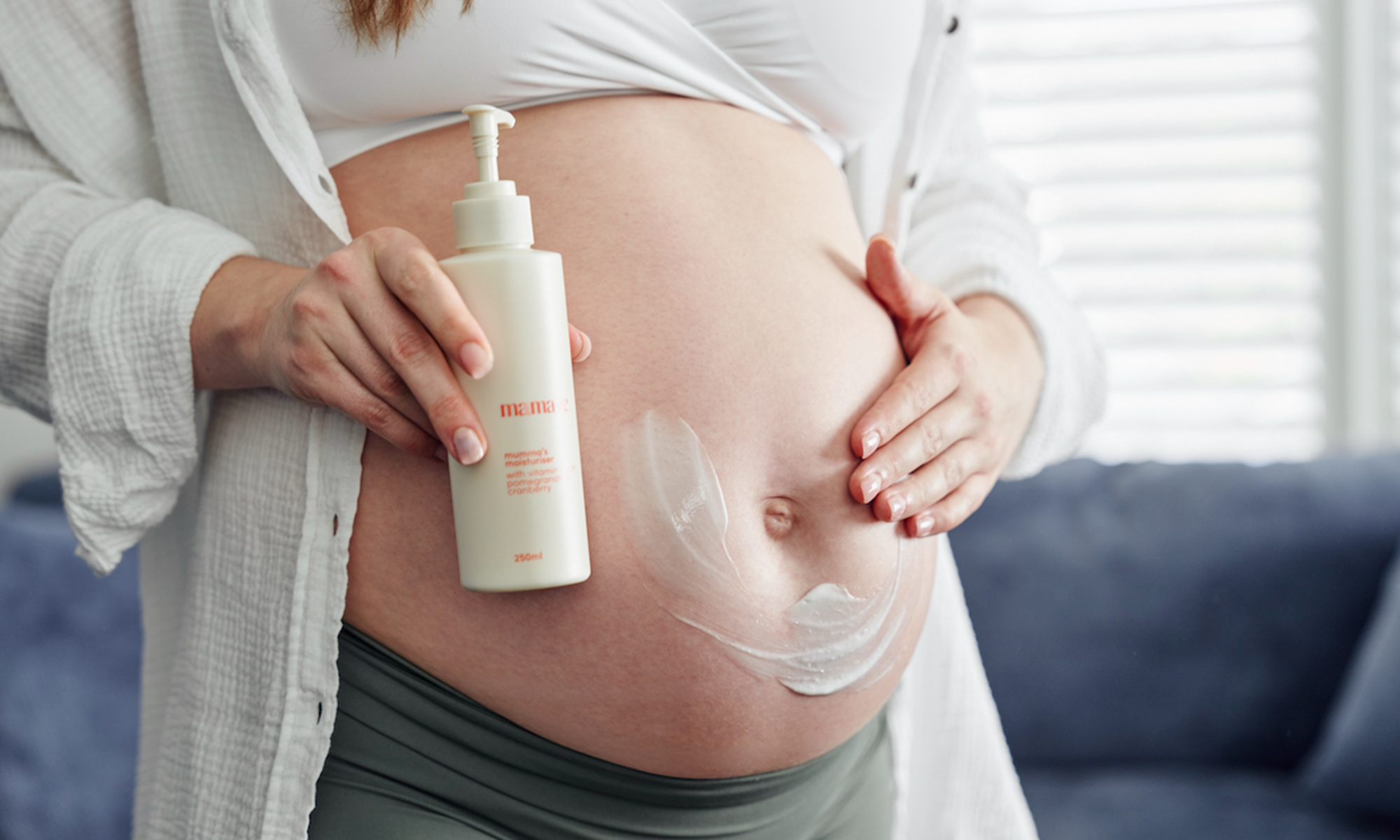
When choosing pregnancy skincare, most guidance focuses on avoiding a few key ingredients - particularly retinoids, high-dose salicylic acid, and hydroquinone, along with products that rely heavily on fragrance or overly complex formulations.
A simple, well-formulated routine focused on hydration is usually the best approach.
Best for: Mums wanting clear, evidence-based guidance
Ideal for: Pregnancy and postpartum skincare routines
Not ideal for: Complex, active-heavy skincare
Key strength: Clear, ingredient-level guidance
Main trade-off: Less focus on advanced treatments
Why Ingredient Awareness Matters During Pregnancy
When you start looking into pregnancy skincare, one of the most common questions is: what ingredients should I avoid?
Pregnancy brings hormonal changes that can affect how your skin behaves. Some mums notice dryness, others see changes in texture or oil levels, and many find their skin reacts differently to products they’ve used for years.
This doesn’t mean you need to replace everything, but it does mean being more intentional about what you use.
Your Skin Changes During Pregnancy
You might notice:
- Dryness
- Changes in texture
- A need for more hydration
This is why many mums move towards simpler, more supportive routines.
Less Is Often Better
During pregnancy, more products doesn’t always mean better results.
A simple routine can:
- Reduce unnecessary ingredient exposure
- Be easier to maintain
- Help keep your skin balanced
Ingredients Many Mums Choose to Avoid
Instead of memorising long ingredient lists, it’s more helpful to understand the key categories.
Retinoids (Vitamin A Derivatives)
This is the most consistently flagged ingredient group.
Common forms include:
retinol, retinal, retinyl palmitate, tretinoin, adapalene.
Because high-dose vitamin A is a known concern when taken orally, most pregnancy guidance recommends pausing retinoids during pregnancy as a precaution.
High-Dose Salicylic Acid
Salicylic acid is commonly used in acne and exfoliating products.
- Low-strength, rinse-off products are generally considered lower concern
- High-concentration leave-on products (like peels and strong serums) are usually avoided
Hydroquinone
Used for pigmentation and skin brightening.
Because it has higher absorption compared to many cosmetic ingredients, it’s commonly avoided during pregnancy.
Parabens, SLS/SLES and Artificial Fragrance
These are commonly used in everyday skincare products.
Many mums choose to limit:
- parabens (preservatives)
- SLS/SLES (cleansing agents)
- synthetic fragrance (often listed as “fragrance” or “parfum”)
The goal is to reduce unnecessary or harsh ingredients.
Mineral Oil
A petroleum-derived ingredient that forms a barrier on the skin.
While it helps trap moisture, it doesn’t provide additional skin-supporting benefits. Many mums prefer plant-based alternatives during pregnancy.
In short: If a product feels strong, overly complex, or unnecessary, it’s often not essential during pregnancy.
Not All “Natural” Skincare Is Pregnancy-Friendly
It’s easy to assume that “natural” automatically means better, but that’s not always the case.
Some natural products:
- aren’t formulated specifically for pregnancy
- include ingredients that don’t add real benefit
- prioritise marketing over formulation
What matters more is:
- how the product is formulated
- whether each ingredient serves a purpose
- whether it’s designed for pregnancy use
What to Use Instead
Rather than focusing only on what to avoid, focus on what your skin needs during pregnancy.
Look for:
-
Hydration-supporting ingredients
Such as squalane, aloe vera, and glycerin, which help maintain moisture and keep skin feeling comfortable as it changes. -
Nourishing plant-based oils
Including safflower, jojoba, argan, sunflower, grapeseed, and camellia oils - all used in Mamave formulations to help support skin elasticity and softness. -
Antioxidant-rich extracts
Like pomegranate and cranberry, which are rich in vitamins and help support the skin as it stretches and adapts during pregnancy. -
Barrier-supporting ingredients
Such as panthenol (vitamin B5) and aloe vera, which help soothe, condition, and maintain the skin barrier.
These ingredients are widely used in pregnancy skincare because they are well-understood, purposeful, and support the real changes your skin goes through.
Where Mamave Fits
Mamave was developed by a cosmetic scientist specifically for pregnancy and postpartum skin.
The formulations focus on:
- ingredient clarity
- hydration support
- compatibility with pregnancy skin
Mamave products are made without:
- parabens
- SLS/SLES
- mineral oils
- artificial fragrance or colours
Every ingredient is selected for a clear purpose - not just to fill a formula.
Best for:
- Mums wanting transparency
- Simple, effective routines
- Skincare designed specifically for pregnancy
Things to consider:
- Less focus on active treatments
- Simpler routines
- More gradual results
In short: It prioritises consistency over quick fixes.
Mamave vs Typical Pregnancy Skincare
| Product Type | Best For | Key Benefit | Trade-Off |
|---|---|---|---|
| Mamave | Daily pregnancy skincare | Simple, well-formulated routine | Less targeted treatments |
| Active skincare brands | Results-focused routines | Strong actives | More complex |
| Fragrance-heavy products | Scent preference | Sensory appeal | Less essential for skin |
When It’s the Right Approach
This simplified approach works best if you:
- Want clarity on what to avoid
- Prefer a low-maintenance routine
- Want products designed for pregnancy
It may not suit you if you:
- Prefer advanced, results-driven skincare
- Want to continue using strong actives
Why It’s Worth It
You’re paying for:
- Thoughtful formulation
- Ingredient clarity
- Daily usability
- A routine that fits into real life
Cheaper or more complex options often come with extra steps or unnecessary ingredients.
FAQs
What skincare ingredients should I avoid during pregnancy?
Most guidance recommends avoiding retinoids, high-dose salicylic acid, hydroquinone, and overly complex or heavily fragranced products.
Do I need to change my skincare routine when pregnant?
Not completely. Many mums simplify their routine to focus on hydration and consistency.
Is natural skincare always better?
Not always. What matters most is how the product is formulated and whether it’s suitable for pregnancy use.
Can I keep using my usual skincare?
Some products may still be suitable, but it’s worth checking key ingredients.
What is the best pregnancy skincare routine?
A simple routine with cleansing and hydration is often enough.
Pregnancy skincare doesn’t need to be complicated, once you understand what to avoid, the rest becomes much simpler.